How to Create a Native Plant Garden
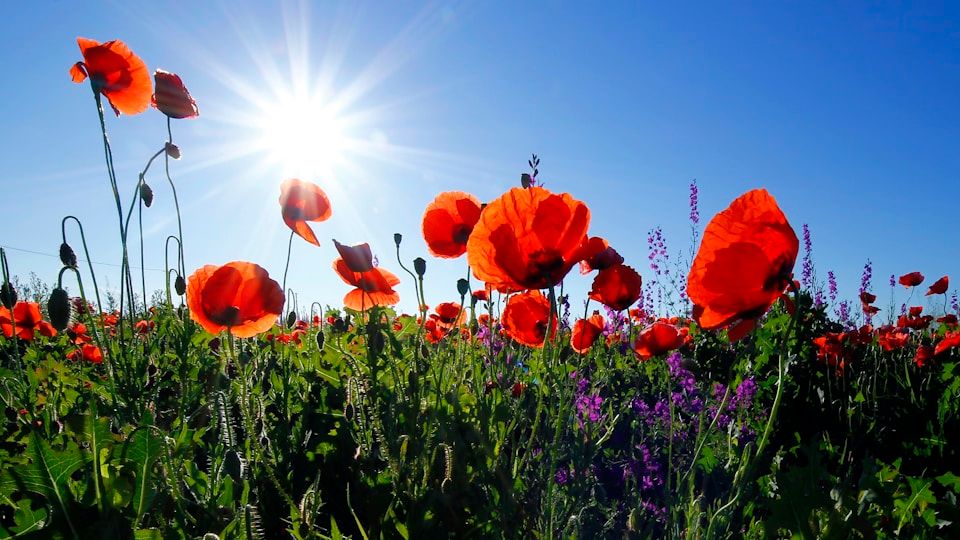
I used to think native plant gardens were the brown, scraggly patches that well-meaning but aesthetically challenged environmentalists planted in their front yards. Then I visited Longwood Gardens' native plant meadow in full bloom. Waves of golden goldenrod, purple asters, swaying grasses catching the light, clouds of butterflies above, the entire landscape humming with life. It was one of the most beautiful garden scenes I've ever witnessed. And not a single plant in it needed to be watered, fertilized, or sprayed.
That visit rewired my brain. Native plants aren't a sacrifice of beauty for environmental virtue — they're a liberation from the expensive, high-maintenance, ecologically empty gardening that most of us have been taught to accept as normal.
The Ecological Argument (It's Overwhelming)
Dr. Doug Tallamy's research at the University of Delaware has quantified what ecologists suspected: native plants support dramatically more life than non-natives. A native oak tree hosts 500+ species of caterpillars — the primary food for baby songbirds. A non-native ginkgo? Nearly zero. Native goldenrod supports 115 species of moths and butterflies. Non-native butterfly bush (ironically named) supports almost none that can complete their lifecycle on it.
The implication is profound: our landscaping choices aren't neutral. A yard full of non-native ornamentals is, from an ecological standpoint, nearly as barren as a parking lot for most native wildlife. Replacing even a portion of those plants with natives creates habitat corridors that sustain the insects, birds, and other organisms that our ecosystems depend on.
And it's not just wildlife. Native plants support the pollinators that our food system depends on. One-third of all food crops require pollination, and native bee populations — which evolved alongside native plants — are declining precipitously. Your native plant garden is directly supporting the ecosystem services that put food on everyone's table.
The Practical Argument (It's Equally Compelling)
Native plants evolved in your specific climate, rainfall, and soil over thousands of years. Once established, they need: no supplemental watering (they're adapted to your local rainfall), no fertilizer (they're adapted to your local soil), no pesticides (they've co-evolved with local insects and have their own defenses), and minimal maintenance (they don't need the constant pruning, spraying, and fussing that many non-native ornamentals demand).
The average American household spends $500+ per year maintaining their landscape (water, fertilizer, pest control, gas for mowing). A native plant garden, once established, costs nearly nothing to maintain. The savings compound year after year.
Getting Started: Finding the Right Plants
Your state's native plant society website is the single best resource. They maintain lists of native species organized by region, light requirements, soil type, bloom season, and wildlife value. The National Wildlife Federation's Native Plant Finder (nativeplantfinder.nwf.org) lets you search by ZIP code for plants native to your specific area.
Buy from native plant nurseries, not big-box stores. Most plants at major retailers are non-native cultivars, and many have been pre-treated with neonicotinoid pesticides that are lethal to the pollinators you're trying to help. Native plant nurseries grow from local seed sources and don't use systemic pesticides. Look for local native plant sales — usually held in spring and fall by native plant societies, botanical gardens, or conservation districts. Selection is excellent and prices are lower than retail.
Design That Looks Intentional
The difference between a native planting that looks like a garden and one that looks like a weedy vacant lot comes down to design. Apply the same design principles you'd use for any garden:
Plant in groups. Drifts of 5-7 of the same species make a visual impact and are more efficient for pollinators. Random single plants scattered around look scattered.
Layer heights. Tall plants (Joe Pye weed, ironweed, native grasses) in back, medium (coneflower, bee balm, black-eyed Susan) in middle, short (wild ginger, foamflower, native sedges) in front. This creates depth and prevents tall plants from hiding shorter ones.
Include structure. Evergreen plants, ornamental grasses, and plants with interesting seed heads provide winter interest so the garden looks purposeful even when dormant. Little bluestem grass turns coppery-orange in fall and holds its color through winter. Coneflower seed heads are architectural and feed birds.
Edge it. A defined border — a mowed edge, a stone border, a path — signals 'this is intentional.' The biggest reason some native plantings look unkempt is the lack of a clear boundary between garden and not-garden. A crisp edge solves this instantly.
Establishment: The Patient First Year
Native plants invest in roots before shoots. In their first year, they may look small and underwhelming above ground while building extensive root systems below. This is normal and important — those deep roots are what make them drought-proof and resilient in subsequent years.
Water regularly during the first growing season while roots establish — about 1 inch per week if rain doesn't provide it. After the first year, most natives need no supplemental water. Mulch with 2-3 inches of local leaf mulch (not dyed wood chips) to suppress weeds and retain moisture during establishment.
Plant in fall when possible. Cooler temperatures and fall/winter rain help roots establish with less stress. Many native plant nurseries sell primarily in fall for exactly this reason.
Be patient. Year one: they sleep (establishing roots). Year two: they creep (modest above-ground growth). Year three: they leap (explosive growth and flowering). By year three, your native garden will look like it's been there forever — and it will sustain itself with almost no help from you for decades to come.