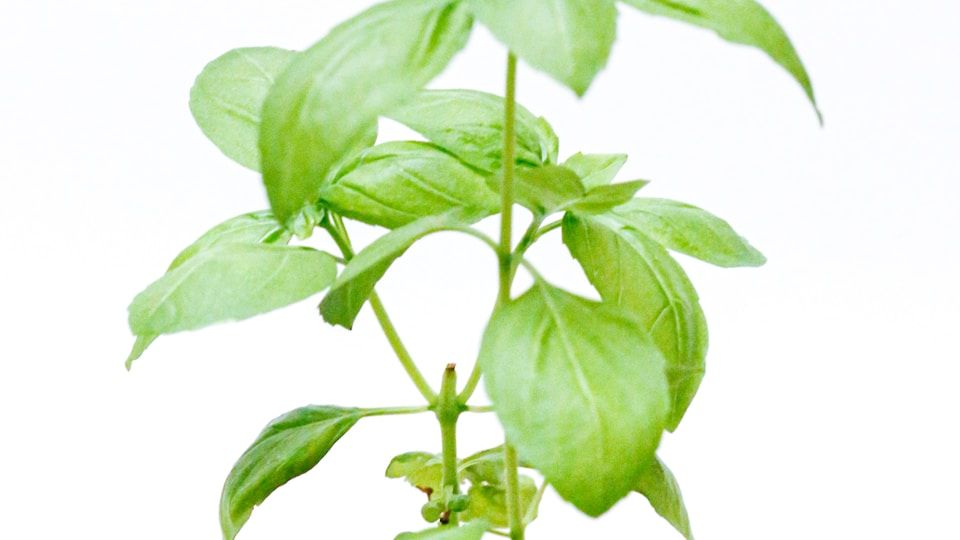
Growing Basil: Varieties, Tips, and Common Mistakes
Every gardener I know has a basil story. Mine goes like this: my first summer gardening, I planted three basil plants, harvested a few tentative leaves for a caprese salad, and then watched in horror as all three plants shot up tall skinny stems covered in flowers and completely stopped producing leaves. I'd read that you should 'pinch basil' but I had no idea what that actually meant or why it mattered. I lost the basil equivalent of $50 worth of grocery store clamshells because I was afraid to cut a perfectly healthy-looking plant.
Basil is the single most popular herb in American gardens, and probably the most commonly mismanaged. The plant people kill isn't hard to grow — it's hard to grow wrong, once you understand three fundamental things: it hates cold, it wants to be pinched, and it bolts at the first opportunity. Master those three realities and you'll have more basil than you'll ever need.
The Varieties You Should Be Growing
Sweet Genovese: The default. If someone says 'basil,' this is what they mean — large, smooth, deeply aromatic leaves with the classic sweet-spicy flavor. It's the pesto basil, the caprese basil, the torn-over-pasta basil. Every garden should have at least two plants. Genovese, Large Leaf Italian, and Nufar (a disease-resistant variety) are all excellent.
Thai basil (Ocimum basilicum var. thyrsiflora): Smaller, slightly pointed leaves with a pronounced licorice-anise flavor that doesn't cook out — essential for pho, green curry, and stir-fries. Thai basil is actually more heat-tolerant than sweet basil and resists bolting longer. The purple stems and flower spikes are gorgeous, too.
Purple basil (Dark Opal, Red Rubin): Stunning deep-purple leaves that add drama to salads, infuse vinegars with a gorgeous pink color, and taste similar to Genovese but slightly more clove-like. Purple basil is also ornamental enough for flower beds — it looks incredible planted next to bright zinnias.
Lemon basil (Ocimum x citriodorum): Bright citrus notes that pair brilliantly with fish, seafood, fruit salads, and Thai cuisine. It's also one of the best basils for tea — steep a handful of leaves in hot water for 5 minutes. It bolts quickly, so succession plant every 3 weeks.
Greek basil (Ocimum minimum): Forms a compact, dome-shaped mound of tiny leaves — perfect for containers, borders, and windowsills. The leaves are small but intensely flavored. It's the most ornamental basil variety and looks charming lining a garden path.
Planting: Warm Soil or Bust
Basil is tropical. It evolved in the warm regions of Southeast Asia and will absolutely sulk, stall, or die in cold conditions. The single most common mistake is planting too early.
Wait until nighttime temperatures are consistently above 50°F — ideally 55-60°F. In most regions, this means late May or June. Yes, that feels late. Yes, your neighbor might plant earlier. Your neighbor's basil will sit there doing nothing while yours, planted in warm soil, will grow so fast you can practically watch it.
Full sun is non-negotiable: 8+ hours of direct sunlight for the best growth and flavor. Basil in shade produces lanky plants with fewer aromatic oils and weaker flavor.
Soil should be rich and well-drained. Basil is one herb that actually likes fertile soil (unlike rosemary and thyme, which prefer lean conditions). Mix compost into the planting hole and apply a light mulch of straw to keep roots cool and moist.
Spacing: 12-18 inches between Genovese types, 8-12 inches for compact varieties like Greek basil. In containers, use at least a 10-inch pot — larger is better. One Genovese basil plant in a 14-inch pot will produce more basil than most families can use.
The Pinching Secret: How to Get 10x More Leaves
This is the most important thing in this entire article. If you learn one technique for growing basil, make it this:
When your basil plant has 3 sets of true leaves (6 individual leaves), pinch or cut the stem just above the second set. Remove the top. Yes, the top with the newest, prettiest leaves. Do it anyway.
What happens next is botanical magic. Instead of one growing point, the plant now has two — one from the leaf node on each side of the cut. Those two branches grow, and when each of THEM has 2-3 sets of leaves, you pinch THOSE. Now you have four growing points. Pinch again: eight. Each pinch doubles the number of branches.
The result: a wide, bushy, dome-shaped plant absolutely loaded with harvestable leaves, instead of a single tall stem that flowers after producing a handful of leaves. I once counted 24 growing tips on a single Genovese plant that I'd pinched four times. That plant produced basil all summer — easily two cups of leaves per week for three months.
When harvesting for cooking, always harvest the same way: cut stems just above a leaf pair, rather than picking individual leaves. This IS the pinching — every harvest is also a pruning that stimulates more growth. The plant doesn't know the difference between deliberate pinching and purposeful harvesting.
The Bolting Problem (And How to Delay It)
Bolting — when the plant sends up flower stalks and shifts from leaf production to seed production — is basil's inevitable endpoint. It's triggered by heat, long days, and plant maturity. You can't prevent it forever, but you can delay it significantly.
Pinch flower buds immediately. The moment you see tiny flower spikes forming at the top of any stem, pinch them off. If you catch them early, the plant returns to vegetative growth. If you miss them and flowers actually open, the leaves nearby become smaller and more bitter. Vigilant deadheading (checking every 2-3 days in peak summer) extends the harvest window by weeks.
Succession plant. Start new basil plants every 3-4 weeks from late spring through midsummer. When older plants start to decline despite your pinching efforts, young plants are coming into their prime. This relay approach provides basil from June through frost without interruption.
Choose slow-bolt varieties. Everleaf is specifically bred to resist bolting — it flowers 2-3 weeks later than standard varieties. Nufar and Genovese Compact are also good. Thai basil bolts much later than sweet basil in general.
When a plant finally bolts beyond redemption, let it flower — basil flowers are edible (try them in salads) and they're fantastic pollinator plants. Then pull the plant and replace it with a fresh seedling from your succession sowing.
Common Problems and Fixes
Black spots on stems (Fusarium wilt): A devastating soil-borne fungal disease that's become increasingly common. Stems develop brown-black streaks, leaves wilt from the bottom up, and the plant dies. There's no cure — remove and destroy affected plants. Prevention: use resistant varieties (Nufar, Amazel, Prospera), don't overwater, and rotate basil to different spots each year. Don't compost infected plants.
Yellowing leaves: Usually overwatering. Basil likes moisture but not waterlogged roots. Let the top inch of soil dry between waterings. Water at the base, not overhead, to reduce disease risk. Yellow leaves can also indicate nitrogen deficiency in very lean soil — a light application of fish emulsion helps.
Aphids: Small, soft-bodied insects clustering on new growth. A strong spray of water from the hose knocks most of them off. For heavy infestations, insecticidal soap works well. Planting basil near tomatoes actually helps both plants — basil repels some tomato pests, and the robust tomato plant community attracts beneficial insects that eat aphids.
Cold damage: If nighttime temperatures unexpectedly drop below 45°F, basil leaves blacken and die. This isn't disease — it's cold injury. Bring container basil inside on cool nights. For in-ground plants, cover with row cover fabric if a cold snap threatens. Blackened leaves should be removed; the plant may recover from the remaining healthy growth if warmer weather returns quickly.
What to Do With All That Basil
When your pinching program succeeds (and it will), you'll have more basil than you can eat fresh. Make pesto — the classic recipe of basil, garlic, pine nuts, Parmesan, and olive oil freezes perfectly and is liquid gold all winter. Freeze basil in olive oil ice cube trays for instant cooking flavor. Make Thai basil chicken (pad kra pao) — it takes 15 minutes and is one of the best dishes on earth. Infuse simple syrup with basil for cocktails and lemonade. Toss handfuls of torn leaves over pizza after it comes out of the oven.
Or do what I do most evenings in July and August: tear fresh basil over whatever you're cooking, breathe in that impossibly perfect aroma, and think, 'I grew this.' That never gets old.